- Liittynyt
- 18.10.2016
- Viestejä
- 3 145
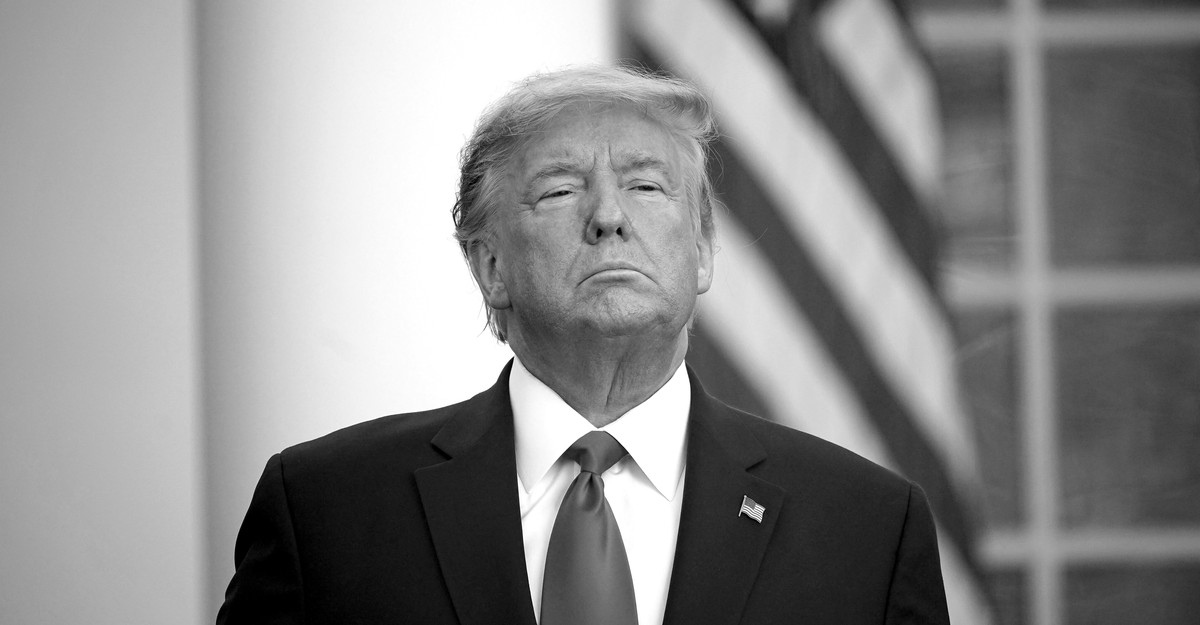
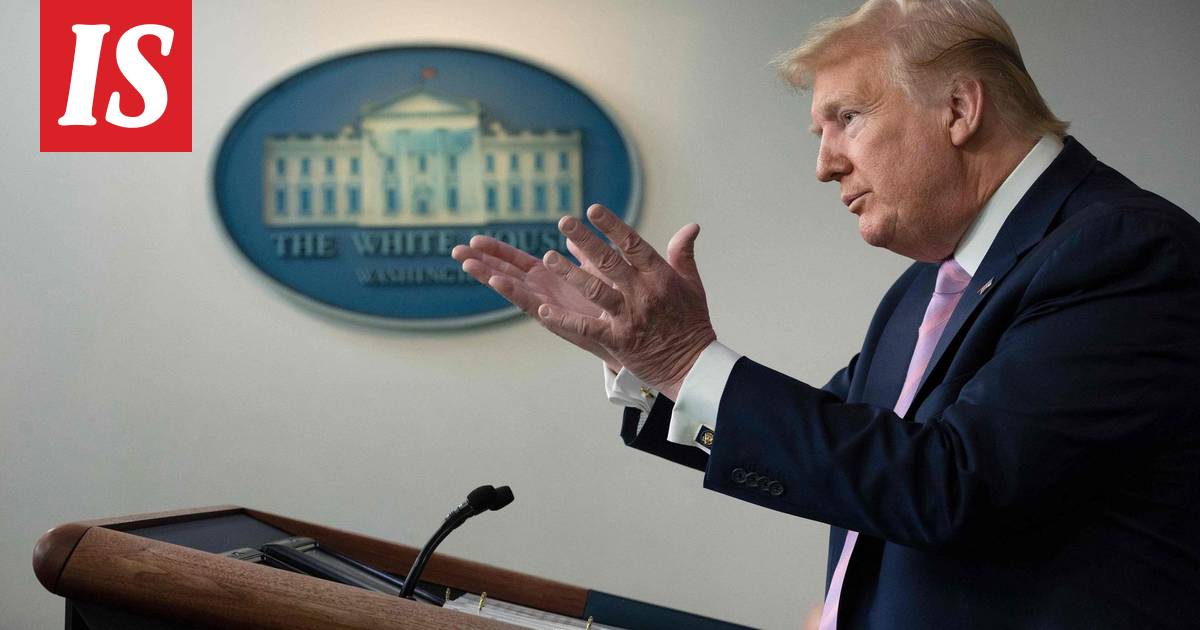
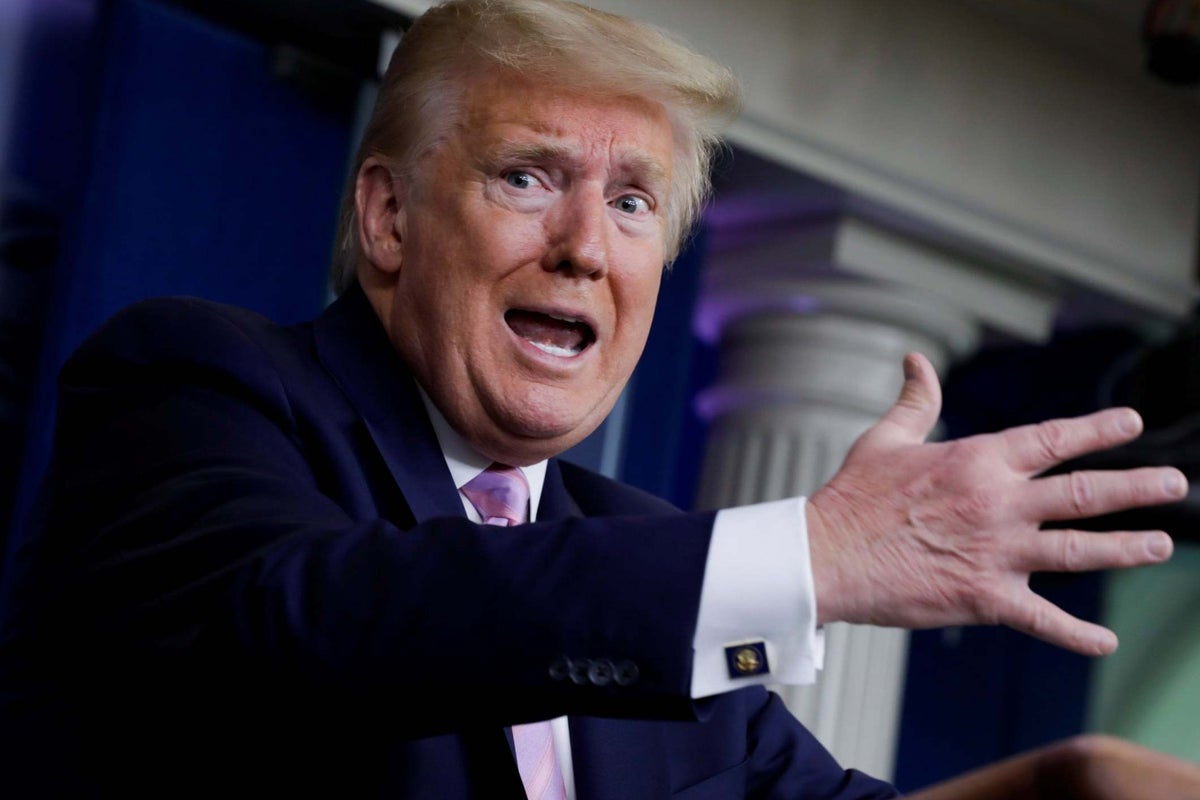
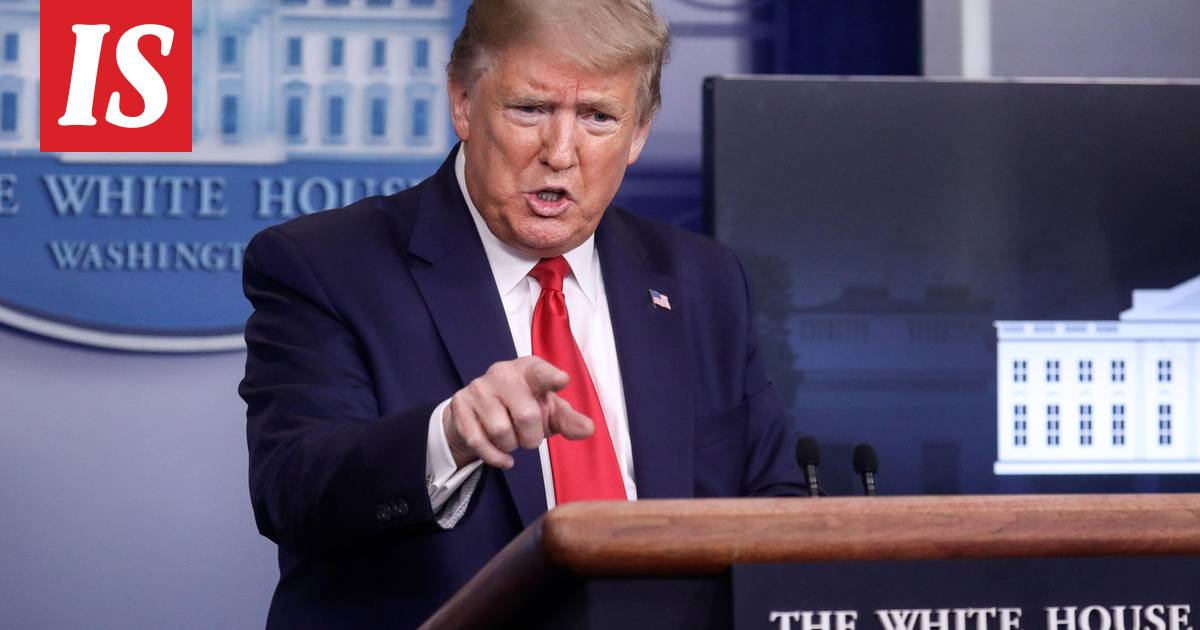
Uusimpien tietojen mukaan Trump ja hänen hallintonsa eivät tilanneet maskeja, hengityslaitteita ja muita koronaviruksen vastaiseen taisteluun tarvittavaa välineistöä kuin vasta maaliskuun puolivälissä. Tätä historiaa on hyvin vaikea yrittää kirjoittaa uusiksi, ja väittää että otti pandemian aina vakavasti alusta saakka. Saati syyttää tilanteesta mediaa, osavaltioita tai mitään muutakaan tahoa.
Katsoin trumpin haastattelun jossa se syytti asiasta Obamaa, koska varastot oli tyhjiä kun heitän hallintonsa aloitti
 Idiotteille tuo tietysti menee läpi, eihän niitä olisi ollut aikaa täydentään kuin öööh melkein neljä vuotta. jos tahtotilaa olisi ollut.